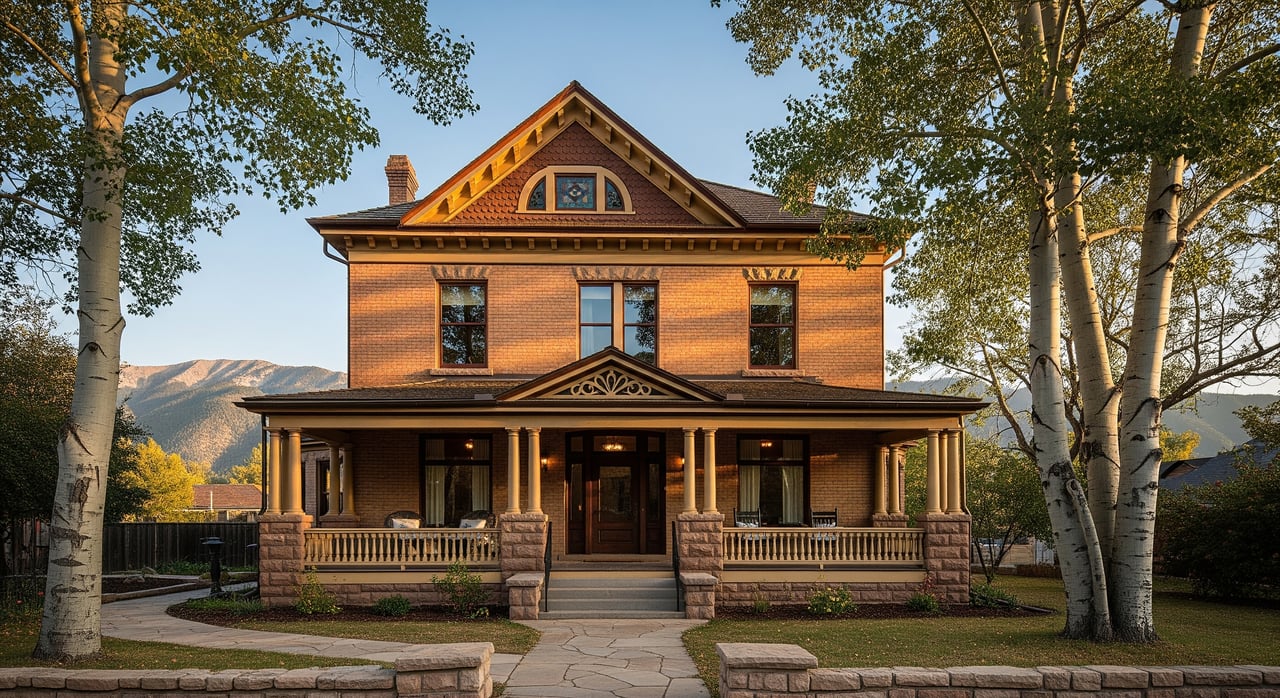
Drawn to sunlit porches, hand‑tooled trim, and a location where you can walk to coffee and the river trail? Buying a historic home in Downtown Durango can be incredibly rewarding, but it is different from purchasing a newer build. You face unique rules, specialized inspections, and costs that are easy to underestimate. In this guide, you’ll learn what “historic” really means in Durango, what to look for during due diligence, and how to structure a smart offer so you can preserve character and protect your budget. Let’s dive in.
What “historic” means in Durango
Not every older home is officially designated. In Downtown Durango, properties may fall under several types of historic recognition. Some are locally designated as landmarks or within a local historic district. Others may be listed on the State Historic Register or the National Register of Historic Places. Each layer can affect what you can change and what incentives might be available.
Local designation usually has the greatest day‑to‑day impact. Exterior changes such as siding, windows and doors, additions, and porches may require review and approvals. State and federal listings often matter most for eligibility for tax credits or grants, especially for income‑producing properties. Before you make an offer, verify a property’s status with the City of Durango Planning and Historic Preservation staff so you understand the review process and timelines.
The downtown fabric and eras
Downtown Durango grew in the late 19th and early 20th century alongside the railroad and regional commerce. You’ll see intact commercial blocks along Main Avenue and nearby streets, with residential areas featuring Victorian and Folk Victorian houses, as well as Craftsman and Bungalow styles. Some homes include later mid‑century infill. Buyers are often drawn to original storefronts and transoms on mixed‑use buildings, hardwood floors, decorative millwork, pressed tin or wood ceilings, exposed beams, and welcoming front porches.
If character elements matter to you, learn to distinguish original materials from later replacements. Original features are often worth preserving and can be protected in designated areas, while nonoriginal items may be easier to change.
Common building issues to expect
Every older home tells a story. Understanding typical materials and aging patterns will help you focus your inspections and budget.
Foundations and structure
Historic homes in Downtown Durango commonly rest on stone, brick, or early concrete foundations. Watch for settlement, cracking, moisture intrusion, and failing mortar joints. Structural framing is often wood balloon or early platform framing. Look for signs of rot, insect damage, or modifications that disrupted load paths. A structural engineer can identify what is cosmetic versus what needs stabilization.
Masonry, cladding, and finishes
Commercial or mixed‑use buildings often have load‑bearing brick or masonry veneers, while homes typically feature wood siding, shiplap, or original stucco. Common issues include deteriorated mortar that needs repointing, spalling bricks, failing patches, and moisture trapped by incompatible modern coatings. Repairs should be done with compatible materials so you do not create new problems.
Roofs, drainage, and leaks
Older roof systems may include original metal or early composition shingles. Roof planes, flashing, and gutters are frequent leak points. Historic buildings sometimes lack modern flashing details and have limited drainage capacity, so check for water stains, mold, or hidden repairs. Chimney flashings and masonry caps deserve close attention.
Windows, doors, and energy
Many downtown homes retain original wood, single‑pane windows. They define the look and feel of a historic facade, but they are not efficient without upgrades. Replacing historic windows can trigger local review in designated areas. Often, repairing original sashes and adding weatherstripping or storm windows delivers comfort and energy savings while retaining character.
Mechanical, electrical, and plumbing
Expect aging systems. You may encounter older boilers or furnaces, undersized electrical panels, knob‑and‑tube or early wiring, galvanized plumbing, and minimal insulation. Upgrading systems improves safety and comfort, but routing new lines through historic fabric takes thoughtful planning to avoid damaging original finishes and trim.
Hazardous materials to test
Lead‑based paint is common on pre‑1978 surfaces. Asbestos can appear in older floor tiles, pipe insulation, resilient flooring, or attic insulation. Testing helps you plan abatement or safe management. Radon can also be present in parts of Colorado, so include a test during inspections.
Costs, maintenance, and insurance
Historic homes can be more expensive to maintain than newer construction because repairs must be compatible with original materials.
- Typical near‑term priorities include roofing and flashing repairs, foundation stabilization or drainage improvements, electrical safety upgrades, and mechanical replacements.
- Costs vary by scope and by contractor experience with historic materials. Obtain multiple bids and include a contingency of 10 to 20 percent for hidden conditions.
- Budget categories often break down into cosmetic (paint and finishes), moderate (HVAC or electrical/plumbing upgrades), and major (foundation or full roof replacement).
Insurance is another key consideration. Replacement‑cost coverage for specialty materials can raise premiums. Location matters too. Wildfire exposure in parts of La Plata County and proximity to flood zones near the Animas River can affect underwriting and cost. Before you waive contingencies, confirm insurance availability, coverage type, and pricing with a local broker who understands historic and hazard risks.
Inspections that matter most
A standard home inspection is essential, but a historic purchase usually needs a deeper bench of experts.
- General home inspection by a licensed professional
- Structural engineer review for settlement, cracks, or altered framing
- Historic‑building specialist or preservation architect if you plan changes
- Roofing inspection by a pro experienced with historic systems
- Chimney inspection and flue sweep
- Electrical inspection to identify knob‑and‑tube, grounding issues, and panel capacity
- Plumbing inspection for galvanized pipes and main line condition
- Asbestos survey and lead‑based paint testing if work will disturb materials
- Pest and wood‑destroying insect inspection
- Radon test and, where indicated, moisture or infrared scanning
- Floodplain and soils review using FEMA maps and the local floodplain administrator
Scheduling these early in your inspection period gives you time to obtain quotes and make an informed decision.
Financing historic homes
Most buyers can use conventional loans, but properties with safety issues may require certain repairs before closing or an escrow holdback for completion. Renovation loans can be smart tools when you plan improvements.
- FHA 203(k) loans offer limited or standard versions to finance repairs alongside the purchase.
- Fannie Mae HomeStyle Renovation loans can fund a wide range of updates.
- Portfolio renovation loans or cash provide more flexibility but still benefit from thorough inspections.
Work closely with your lender to understand documentation needs, appraisal considerations, and whether planned work fits program rules.
Structuring a smart offer
Historic homes reward careful contract planning. Build in time to confirm design rules and costs.
- Include inspection, financing, and appraisal contingencies. Appraisals on unique homes may require special comparable analysis.
- Add a contingency to review any local historic restrictions, design guidelines, and approval timelines. If a property lies in a locally regulated district or has a preservation easement, you need to understand the process for a certificate of appropriateness.
- Negotiate repairs, credits, price reductions, or escrow holdbacks for items that cannot be completed before closing. Specify contractors, scope, and timelines.
- Review title for preservation easements, covenants, encroachments, and any code enforcement or liens.
Incentives and approvals
Financial incentives can help, especially on income‑producing properties. Federal historic rehabilitation tax credits apply mainly to substantial, certified work on income‑producing buildings. Colorado programs and local grants may be available for eligible projects, but programs and criteria change. Confirm current offerings through the Colorado State Historic Preservation Office and the City of Durango. Plan for additional time in your project schedule, since historic review boards can add weeks or months depending on scope.
Practical buyer checklist
- Verify historic status and local review requirements with the City of Durango Planning and Historic Preservation staff before you write an offer.
- Line up inspections beyond the general home inspection, including structural, roof, chimney, electrical, plumbing, radon, and hazardous materials testing.
- Get multiple bids from contractors experienced in historic repair and conservation.
- Confirm flood, wildfire, and insurance factors early.
- Review title for easements, historic preservation easements, covenants, and encroachments.
- Explore eligibility for federal, state, or local incentives if you plan qualified work.
- Build a realistic permitting and construction timeline that accounts for historic review.
How a local expert helps
Buying a historic home in Downtown Durango asks for a balance of heart and head. You want to preserve original character while making smart, safe updates that fit your budget and lifestyle. A local, relationship‑driven approach helps you anticipate issues before they become surprises, coordinate the right specialists, and write offers that protect your goals.
If you are ready to explore historic homes or want a second opinion on due diligence and value, connect with Judi Mora. With more than 20 years living and working in La Plata County and a consultative, high‑touch process, she can guide you from first tour to a confident closing.
FAQs
What does local historic designation in Downtown Durango mean for renovations?
- Local designation typically requires review for exterior changes like siding, windows and doors, additions, signage, and porch alterations; confirm specifics with the City of Durango before planning work.
What inspections should I add when buying a historic Durango home?
- In addition to a general home inspection, schedule structural, roof, chimney, electrical, plumbing, radon, hazardous materials testing, and pest inspections, plus a historic‑specialist review if you plan changes.
Are lead paint and asbestos common in older Durango houses?
- Many pre‑1978 homes can have lead‑based paint, and asbestos may be present in older flooring, pipe insulation, or attic materials; testing informs safe abatement or management plans.
Can I replace original windows in a designated historic area of Durango?
- Replacement may require approval and is not always the best path; repairing original sashes and adding storms or weatherstripping often improves efficiency while preserving character.
What financing options help with renovations on historic homes?
- FHA 203(k) and Fannie Mae HomeStyle Renovation loans can finance improvements with your purchase, while conventional loans may require certain safety repairs or escrow holdbacks.
Will homeowners insurance cost more for a historic home in Durango?
- It can, especially for replacement‑cost coverage of specialty materials, or in areas with wildfire or flood exposure; contact a local broker early to confirm availability and price.
How long can historic review add to my project timeline in Durango?
- Timelines vary by scope and local calendars; plan for additional weeks or months for applications, review meetings, and approvals before construction begins.