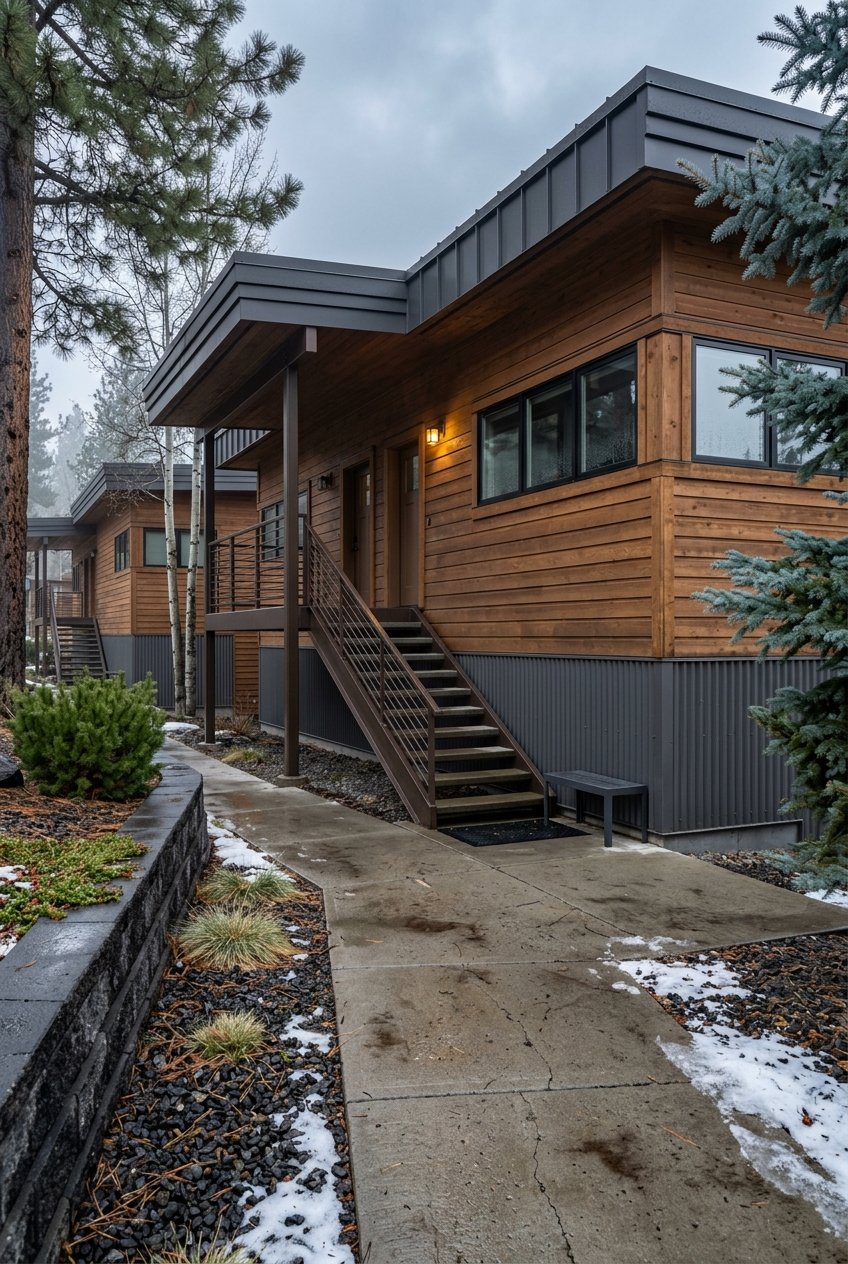
Wondering if a ski condo at Purgatory is the right fit for your mountain lifestyle or investment goals? You are not alone. Buying in a resort area can feel exciting, but it also comes with details that matter more here than they might in a typical neighborhood. If you are considering a condo near the lifts, this guide will help you understand the property mix, ownership structure, financing hurdles, and due diligence steps that can make or break the purchase. Let’s dive in.
Why Purgatory draws condo buyers
Purgatory Resort sits in the San Juan Mountains about 25 miles north of historic downtown Durango. It is a year-round destination with more than 1,600 skiable acres, 107 trails, 11 lifts, and about 260 inches of annual snowfall, according to the resort.
That setting is a big reason buyers look here for second homes, vacation properties, and resort condos. You get mountain access, a true resort environment, and a wide range of lodging styles, all within La Plata County.
What types of condos you will find
One of the first things to know is that Purgatory does not have a one-size-fits-all condo market. The resort states that its lodging inventory is privately owned and ranges from slopeside studios and penthouses to 1- to 5-bedroom layouts from about 300 to more than 2,000 square feet.
The resort also notes that no two properties are exactly alike. That matters because two units in the same general area can feel very different in layout, finish level, and functionality.
Common condo communities to know
At the master HOA level, DMMA organizes the area into several association portfolios. For condo buyers, key names include Angel-Haus, Kendall Mountain, Peregrine Point, Purgatory Lodge, and Village Center.
You will also see townhome communities in the broader resort inventory, including Alpenglow, Black Bear, and ElkPoint. If you are comparing options, it helps to confirm early whether a property is legally a condo, a townhome, or something else.
Typical floorplan patterns
Official resort lodging pages show a wide spread of floorplans. Cascade Village includes studio to 3-bedroom townhouse layouts, Sheol Street lodging includes 1- to 3-bedroom units, Purgatory Village includes studio to 4-bedroom options, and Homes & Townhomes can reach 3 to 5 bedrooms.
Purgatory Lodge and Peregrine Point are generally in the 2- to 4-bedroom range. In active market examples, 2-bedroom, 2-bath units appear often, especially in buildings like Eolus and Village Center.
Building age matters, but condition matters more
At Purgatory, you will find both older and newer buildings. DMMA describes Angel-Haus as historic condominiums, while Purgatory Lodge is described as modern lodging.
Public listing data shows that some slope-area condo buildings date to the mid-1980s, including Village Center at 1984, Eolus at 1985, and Kendall Mountain at 1986. Purgatory Lodge, by contrast, shows a 2008 build year on current listings.
That age spread creates an important reality for buyers. You may find original-condition units, partially updated units, and fully renovated units all within the same building.
What that means for your search
You do not want to judge a condo by building age alone. A well-updated older unit may fit your needs better than a newer unit with a less functional layout or fewer features.
As you compare properties, look closely at the unit itself and at the association’s long-term planning. A beautiful kitchen does not tell you whether the building has upcoming capital projects or reserve needs.
Amenities can shape day-to-day value
Buyers often start with the dream of ski access, but amenities affect daily convenience just as much. The resort’s published amenity list for directly booked lodging includes features such as heated outdoor pool and waterslide, hot tub, fitness center, free parking, Wi-Fi, ski-in/ski-out or walk-to-lifts access, full kitchen or kitchenette, private deck, fireplaces, and 24-hour front desk service.
Some units or buildings may also offer granite countertops, stainless appliances, tile floors, washer and dryer, concierge service, and covered parking. Not every property includes the same package, so details matter.
The amenities worth comparing first
When you tour or review listings, focus on the features that affect how you will actually use the condo. In many cases, the most important differences are:
- Lift access or walkability
- Parking setup
- Kitchen size and usability
- In-unit laundry or shared laundry access
- Storage for gear
- Building style and finish level
- Whether the unit feels more classic mountain-rustic or more updated resort-luxury
These factors can shape comfort, upkeep expectations, and long-term appeal.
Understand what you are actually buying
This is one of the biggest resort-market questions. HUD describes a condominium mortgage as a loan on a one-family unit in a project, along with an undivided interest in the common areas and facilities.
In simple terms, you own your unit and share ownership of common elements through the association. That is different from buying a detached mountain home, where you usually control and maintain more of the exterior and major systems directly.
Full ownership vs fractional interest
At Purgatory, not every property is a standard deeded condo. DMMA’s Kendall Mountain page references fractional owners, which is a reminder that some resort-area inventory may be shared-use or interval-based rather than full fee-simple ownership.
Before you get too far into a property, confirm exactly what is being sold. You want to know whether you are purchasing a full condo, a fractional interest, or another type of ownership structure.
Budget for more than the mortgage
A ski condo budget should go well beyond principal and interest. Consumer guidance notes that condo or HOA dues are usually paid separately from the mortgage payment, and those dues can range from a few hundred dollars per month to more than $1,000 per month.
That is why your monthly budget needs to include the full ownership cost. It is not just about whether you can qualify for the loan.
Costs to include in your budget
As you plan, make room for:
- Mortgage principal and interest
- HOA or condo dues
- Property taxes
- Homeowners insurance
- Any supplemental insurance if needed
- Utilities
- Maintenance and repair items that are your responsibility
- Closing costs
Consumer guidance also notes that closing costs often run about 2% to 5% of the purchase price. That means you will typically need cash on hand beyond your down payment.
Financing can be more complex in resort condos
In a ski condo purchase, the project itself can matter as much as your personal finances. Fannie Mae states that lenders can use Condo Project Manager to check whether a project already has Fannie Mae eligibility status.
If a project does not meet Fannie Mae requirements, loans secured by units in that project are not eligible for sale to Fannie Mae until those issues are resolved. That can affect what loan options are available to you.
Why some condo projects face loan challenges
Fannie Mae identifies several issues that can affect eligibility. These include:
- Critical repairs or deferred maintenance
- Inadequate insurance
- Pending significant litigation
- Projects that operate like hotels or motels
- Projects that manage daily or short-term rentals, even when units are individually owned
In a resort setting like Purgatory, those are not small details. They can directly shape whether your lender can move forward.
FHA and other loan program details
If you are considering FHA financing, HUD states that the unit must be in an FHA-approved condo project or qualify through FHA’s Single-Unit Approval path. Freddie Mac also distinguishes between established condo projects and projects that are incomplete, developer-controlled, or still being sold, with different review standards depending on the situation.
The key takeaway is simple. Do not assume every condo qualifies for every loan program.
Preapproval matters early
Getting preapproved before you shop is especially important in resort condo markets. Consumer guidance notes that preapproval helps establish your seriousness with sellers, but it can also surface project-related issues early.
That early clarity can save you time and frustration. If a lender has concerns about a building or association, it is much better to know before you fall in love with a specific unit.
HOA review is not optional
At Purgatory, HOA and project-level information deserves close attention. DMMA maintains a resource center for realtors, lenders, and prospective buyers, which is a strong sign that association details are a major part of the buying process here.
You should expect your lender to ask for HOA budgets, insurance information, and other project documents. Even when reserve studies are not required for all loan eligibility reviews, underwriters may still consider them.
Questions to ask before you write an offer
A smart condo purchase starts with the right questions. Here are some of the most important ones to answer:
- What exactly is being sold: a full condo, a fractional interest, or another shared-use product?
- Is the project already eligible for your loan program?
- Will your lender need to review HOA documents and insurance before approving the loan?
- Are there major repairs, deferred maintenance issues, or special assessments on the horizon?
- How much of your total monthly cost will be HOA dues?
- After taxes, insurance, dues, and closing costs, does the purchase still fit comfortably within your budget?
These answers can tell you a lot about both risk and long-term usability.
Condo ownership vs a standalone mountain home
A condo at Purgatory can offer convenience that many buyers love. Shared maintenance, common amenities, snow removal, and resort proximity can make ownership simpler in some ways.
At the same time, condo ownership usually means less direct control over building systems, roofs, common-area decisions, and reserve planning. Your experience will depend partly on the strength of the association and the health of the project.
For many buyers, the tradeoff is worth it. You may give up some control, but gain easier access to the mountain and fewer individual exterior maintenance tasks.
The local advantage in Purgatory condo shopping
Resort properties often look straightforward online, but the details can be layered. Ownership type, building age, renovation level, association structure, amenity access, and loan eligibility all deserve a closer look before you commit.
That is where local guidance can make a real difference. When you work with someone who understands La Plata County and the Purgatory resort area, you are more likely to spot the questions that matter before they become expensive surprises.
If you are thinking about buying a ski condo at Purgatory, Judi Mora can help you compare options, understand the local market, and move forward with clear, practical guidance.
FAQs
What types of condos are available at Purgatory Resort?
- Purgatory offers a wide range of privately owned lodging, including studios, penthouses, and 1- to 5-bedroom layouts, along with some townhome-style properties in the broader resort area.
What should buyers know about building age at Purgatory?
- Buyers will find a mix of older mid-1980s buildings and newer projects, so it is important to evaluate both the building’s overall condition and the specific unit’s level of renovation.
What costs should buyers budget for with a Purgatory condo?
- In addition to the mortgage, you should budget for HOA dues, property taxes, insurance, utilities, maintenance items, and closing costs that often run about 2% to 5% of the purchase price.
Why is financing a ski condo at Purgatory sometimes harder?
- Condo financing can be affected by project-level issues such as deferred maintenance, insurance concerns, litigation, or rental and hotel-style operating characteristics that may limit loan eligibility.
How can buyers confirm what kind of ownership they are purchasing at Purgatory?
- Before making an offer, confirm whether the property is a full deeded condo, a fractional interest, or another shared-use arrangement by reviewing the ownership structure and association information carefully.