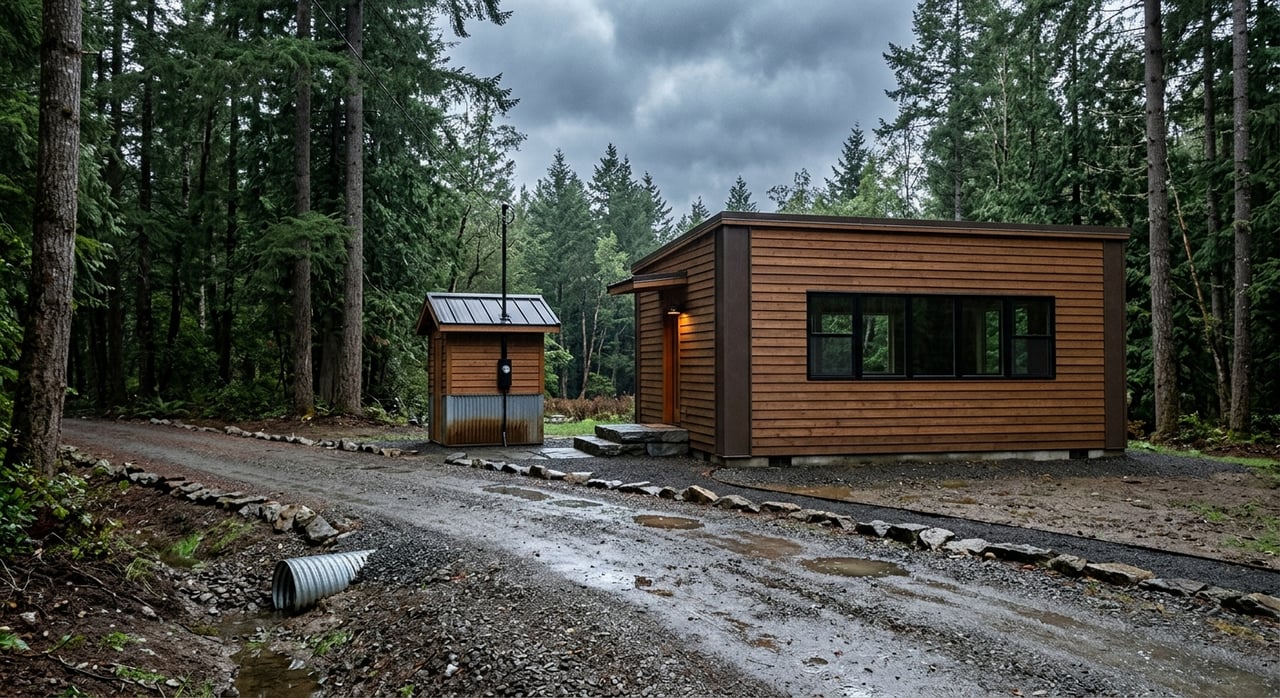
Dreaming about a little more elbow room near Bayfield? Buying land or small acreage can open up a lot of possibilities, but it also comes with questions you do not usually face when buying an existing home. Before you fall in love with a view or a fence line, it helps to understand how water, septic, access, and local land-use rules can shape what you can actually do with a parcel. This guide walks you through the key due diligence steps for buying land near Bayfield so you can move forward with more clarity and confidence. Let’s dive in.
Start With Jurisdiction
One of the first things to confirm is whether the parcel falls under the Town of Bayfield or La Plata County. That matters because the applicable land-use code, development standards, and review process can differ depending on where the property sits.
Bayfield’s planning resources include the town’s Land Use Code, while La Plata County’s GIS tools show Bayfield Town Limits and Bayfield planning layers. The Bayfield District Plan is also used in county land-use review, so it can influence how future approvals are evaluated.
Why Jurisdiction Matters
If you are buying land with plans to build a home, shop, or accessory structure, you need to know which rules apply before making assumptions. Lot size, access requirements, and utility expectations may not be the same from one parcel to the next.
This is especially important around Bayfield, where some properties feel rural but may still be affected by town or county planning standards. A parcel outside town can have a very different path to development than one served by municipal systems.
Water Is a Major Bayfield Acreage Issue
In the Bayfield area, water is not a side issue. The Bayfield District Plan identifies domestic and irrigation water supply as primary concerns and notes a preference for expanding central water infrastructure instead of creating many new individual wells.
That local planning context matters if you are expecting a rural parcel to function like an in-town lot. In some areas, central water may be the better fit, while in others, a private well may be part of the equation.
Check Well Status Carefully
Colorado requires a well permit for every new well that diverts groundwater. The Colorado Division of Water Resources says well-permit records can show allowable uses and construction details, and complete reviews can take up to 49 days.
That means you should not assume a new permit will be issued just because nearby parcels have wells. If a parcel depends on a future well, that question needs to be reviewed before you remove contingencies.
A Working Well Still Needs Review
If a property already has a well, that is not the end of the story. Private wells are not covered by the Safe Drinking Water Act, so the owner is responsible for water safety and testing.
In practical terms, a well that exists and produces water is not automatically the same as a fully vetted drinking-water source. You will want to verify the permit details and understand what testing or follow-up may be needed.
Septic Feasibility Can Shape the Deal
For many small-acreage properties outside town services, on-site wastewater treatment is part of the purchase decision. In Colorado, septic systems are governed by Regulation 43, and for systems with flows of 2,000 gallons per day or less, local counties handle permitting.
La Plata County’s local rules must be at least as strict as the state standard. So if a parcel is not connected to municipal sewer, septic feasibility is something to confirm early, not after you are committed.
Town Service vs. Rural Systems
If a parcel is inside town, Bayfield provides municipal water and wastewater service. According to the town’s utility information, wastewater service extends to Bayfield town residents and businesses and also serves Gem Village and the Homestead subdivision.
For buyers, this creates an important split. Some properties may be tied to municipal systems, while others may depend on private well and septic solutions. That difference can affect both cost and long-term maintenance.
Do Not Assume Utility Access
Electric and natural gas service may be available in parts of Bayfield and nearby rural areas, but parcel-level availability still needs to be verified. Natural gas service appears in Bayfield and adjacent fringe and rural territories under Black Hills Energy’s Colorado tariff, and Bayfield also appears in LPEA service-territory materials.
Still, map-level availability is not the same as a confirmed connection. Before you move forward, ask about service availability to the specific parcel, extension requirements, and possible installation costs.
Use GIS Before Spending More Money
La Plata County’s GIS layers are one of the most useful early screening tools for land buyers near Bayfield. They include parcel boundaries, roads, water wells, countywide water and sewer lines, recorded plats, floodplain layers, geo-hazards, soil type, geologic type, roof snowload and live load, and local planning layers.
That makes GIS a smart first stop before paying for a survey, soils work, or engineering. It will not replace professional due diligence, but it can help you spot red flags early.
What GIS Can Help You Review
Before writing off or falling in love with a parcel, use available mapping tools to check:
- Parcel boundaries
- Road access
- Recorded plats
- Nearby wells
- Water and sewer line locations
- Floodplain areas
- Soil and geologic conditions
- Hazard layers
- Planning overlays tied to Bayfield
This kind of first-pass review can save time and money, especially when you are comparing multiple land options.
Access and Site Conditions Matter More Than Buyers Expect
A vacant parcel can look simple from the road or in listing photos, but site conditions often tell a more complicated story. The Bayfield District Plan identifies unstable slopes, floodplain and flash-flood areas, expansive soils, slopes over 30 percent, landslides, and wildfire areas as development constraints.
The plan also notes that site-specific studies are often needed to define those limits. So even if the land looks usable at first glance, grading, drainage, driveway work, or mitigation can still become major budget items.
Roads, Easements, and Emergency Access
Access is about more than whether you can physically reach the property. You also want to confirm legal access, recorded easements, and how the road is maintained.
La Plata County’s GIS includes a Road Improvement District layer, which can help you understand more about road context. The county’s emergency management tools also encourage residents to confirm evacuation zones, which is a useful reminder for rural buyers to review plowing, fire response, and evacuation routes before closing.
Lot Size and Rural Expectations
The Bayfield District Plan explains that minimum lot sizes should be determined through the Land Use Code and subdivision requirements, including water, sewer, and access needs. It also distinguishes between large-lot residential parcels typically served by wells and septic and smaller lots in some classifications that depend on central utilities.
This matters when buyers want a property that feels rural but still supports certain improvements. A parcel’s size alone does not tell you what can be built or how it must be served.
Is the Parcel Truly Rural?
Bayfield planning materials distinguish among town-served areas, larger-lot residential areas, and agricultural-residential areas intended to preserve rural character. That means the answer to “Is this really a rural property?” depends on more than the marketing description.
If the parcel is next to agricultural land, the Bayfield District Plan also repeats a fence-law notice. That is another reason to understand the surrounding land-use context, not just the subject property itself.
A Smart Due Diligence Sequence
When you are buying land near Bayfield, the order of your research matters. A practical first-pass sequence can help you avoid spending money in the wrong places.
Here is a helpful path to follow before removing contingencies:
- Confirm whether the parcel is in the Town of Bayfield or unincorporated La Plata County.
- Verify legal access and any recorded easements.
- Check parcel boundaries against the plat and GIS data.
- Confirm the water source, well permit status, and septic feasibility.
- Verify electric, gas, water, and sewer availability if applicable.
- Estimate site-development costs, including driveway, grading, drainage, and utility extension work.
This process will not answer every question, but it can help you narrow down whether a parcel is promising or problematic.
Local Offices and Records to Review
If you are digging into a specific property, local planning resources can help you ask better questions. Bayfield’s Community Development resources include the Land Use Code, development-review applications, building permits, zoning information, and infrastructure standards.
La Plata County’s Community Development portal also provides planning and building information for unincorporated areas. Combined with county GIS and state water records, these are strong starting points for low-cost due diligence.
Why Local Guidance Helps
Land purchases often look straightforward until the details start stacking up. Water rights, well permits, septic rules, access, utility costs, and hazard layers can all affect whether a parcel fits your goals.
That is where local experience makes a real difference. When you work with someone who understands Bayfield, Durango, and La Plata County, you can evaluate land with a clearer view of what is practical, what needs more research, and what may cost more than expected.
If you are thinking about buying land or small acreage near Bayfield, Judi Mora can help you sort through the details, compare options, and move forward with confidence.
FAQs
What should you check first when buying land near Bayfield?
- First, confirm whether the parcel is in the Town of Bayfield or in unincorporated La Plata County, because that determines which code and development rules apply.
Can a small acreage parcel near Bayfield support a house or shop?
- Possibly, but you need to confirm the applicable town or county code, allowed use category, access, and water, sewer, or septic constraints before assuming the parcel can support your plans.
How do you verify a well on land near Bayfield?
- Review the Colorado Division of Water Resources well-permit record to confirm allowable uses and available construction details.
Do Bayfield-area land parcels always have municipal water and sewer?
- No. Some parcels inside town may have municipal service, while many rural or small-acreage properties depend on private wells and on-site wastewater systems.
Why is GIS useful when buying acreage in La Plata County?
- County GIS can help you screen parcel boundaries, roads, plats, wells, water and sewer lines, floodplain areas, soil and geologic conditions, hazard layers, and Bayfield planning overlays before paying for more specialized reports.
What site risks should you review before buying rural land near Bayfield?
- Review floodplain and flash-flood areas, unstable slopes, expansive soils, slopes over 30 percent, landslides, wildfire areas, and access or evacuation considerations, since these can affect buildability and development costs.