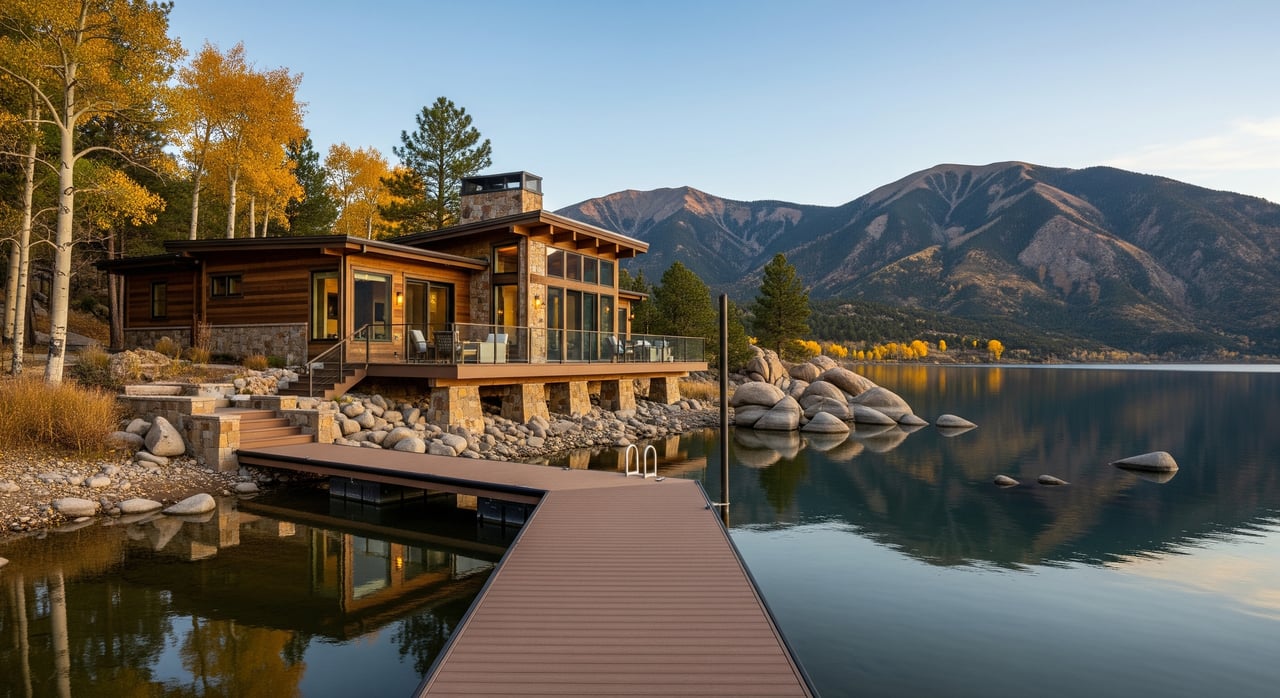
Wondering what your Vallecito waterfront cabin is really worth when no two shorelines look alike and recent comps feel thin? You are not alone. Pricing lake homes around Vallecito Reservoir often involves more than pulling three sales and averaging. In this guide, you will learn a practical, defensible way to price your cabin using local factors, clear documentation, and a step-by-step framework you can show to buyers, lenders, and appraisers. Let’s dive in.
Why Vallecito waterfront is different
Vallecito Reservoir draws buyers for boating, fishing, and a relaxed mountain-lake lifestyle. The buyer pool often includes second-home owners, local part-time residents, and investors who value recreation and views. That mix means your cabin competes on both lifestyle and numbers.
Seasonality matters. Interest typically peaks in spring and early summer, with shoulder seasons tied to fall colors and hunting. Winter demand varies by access, road plowing, and weather. Your pricing and timing should match how and when your property is most usable.
Access and utilities influence price and financing. Year-round drivable access, reliable power, well or municipal water, and a functioning septic system meaningfully expand your buyer pool. If access is seasonal or utilities are limited, you may need to price with a narrower audience in mind.
Key value drivers to document
Waterfront type and frontage
Not all water access is equal. Private, deeded shoreline usually commands the highest premium compared to shared or access-only arrangements. Buyers also focus on frontage length in linear feet and how usable it is.
Describe the shoreline clearly. Note steepness, shoreline construction such as rocky or stabilized edges, and whether docks or slips are allowed, present, and permitted. Be specific about any association or agency rules that affect docking and boat access.
Views and orientation
A direct, open-water view typically outperforms a partial or filtered view. Orientation that maximizes water and mountain vistas can increase appeal. If trees, topography, or neighboring structures limit sightlines, explain that with photos and a simple description.
Create a photo set that captures the best angles at different times of day. Proving view quality helps support your price and avoids surprises during showings.
Access, utilities, and year-round usability
Year-round road access and plowing are essential for full market appeal and smoother lender approvals. If your road is maintained by a county or private association, state who manages it and how plowing is handled. Clarify driveway grade and winter drivability.
List utilities clearly. Note electric service, internet options, propane delivery, well or municipal water, and septic system status. A recent septic inspection and well test help buyers and appraisers validate value and reduce risk.
Seasonality and timing
You will generally find the most lake-home buyers in spring and early summer. If your cabin is well insulated and accessible in winter, that year-round usability can sustain interest beyond peak season. Align your pricing strategy and marketing calendar with how buyers use the lake.
Short-term rental potential
If short-term rentals are common and allowed for your property, conservative revenue projections can help investor buyers understand value. If STRs are limited or not customary, the income approach has less relevance. Only include rental figures you can document with booking, occupancy, and expense records.
Condition and waterfront-specific maintenance
Buyers look closely at shoreline stabilization, retaining walls, riprap, and any erosion or moisture concerns. Cabin systems that are sensitive to the lakeside environment such as roof, insulation, vapor barriers, and foundations should be inspected and documented.
If you have made improvements, show permits and dates. Unpermitted work on docks, retaining walls, or additions can limit marketability and affect price.
Neighborhood and comparables context
Explain proximity to boat ramps, marinas, and public recreation facilities. Note distances to everyday services like groceries, fuel, and medical care. If your property is in an HOA or a deed-restricted area, outline fees, rules, and amenities that matter to buyers and comparability.
Judi’s step-by-step pricing framework
When waterfront comps are sparse, use a multi-method approach to build a credible price range. Here is a simple framework you can follow.
Step 1: Assemble all relevant sales data
Start with closed sales of true lakefront, lakeside with a view but no frontage, and nearby non-water cabins with similar size and acreage. If direct comps are limited, expand your time frame or distance carefully, then note any time or location adjustments you intend to make.
Keep a record of each data source. Include MLS pulls and county records when available, plus photos, plats, and maps that explain differences.
Step 2: Establish an off-water baseline
Identify similar cabins nearby that lack waterfront. This creates your baseline value for the structure and land without the water premium. Aim for similar square footage, condition, and lot size.
This step helps you separate what the cabin itself is worth from what the lake adds.
Step 3: Apply waterfront and feature adjustments
Adjust the baseline for waterfront-specific features. Focus on:
- Private deeded shoreline versus shared or access-only
- Frontage length and usability
- Dock rights, ramp access, and slip availability
- Year-round access, plowing, and utility reliability
- Shoreline condition and any erosion risks
- View quality and degree of obstruction
Note your rationale for each adjustment. Use photos, drone imagery, surveys, permits, and maps to support your numbers.
Step 4: Use per-unit metrics wisely
If lots vary widely, compare by price per acre or per frontage foot to cross-check your range. For cabins, consider price per finished square foot, but treat it with caution because finishes, view quality, and seasonality can skew results.
The goal is triangulation, not a single metric that tells the whole story.
Step 5: Consider income and cost approaches
If STRs are allowed and comparable rentals exist, model conservative nightly rates and occupancy, subtract realistic operating costs, and translate to an investor value using an appropriate multiplier or cap rate. If STRs are uncommon or restricted, put less weight on this method.
For newer or unique cabins, the cost approach can help. Estimate replacement cost minus depreciation and add land value to compare against your other indications.
Step 6: Synthesize a value range
Combine the adjusted comps, per-unit checks, and any income or cost results. Present a range rather than a single number, with a clear narrative on what drives the high and low ends.
Choose a list price strategy. In balanced conditions, many sellers start near the middle of the range to maximize exposure. If demand is strong for your segment, consider setting closer to the top of the range with a plan to review feedback quickly.
Step 7: Market-test and refine
Use pre-list marketing, targeted outreach, and early showings to gauge traction. Track inquiries, showings, and feedback in weeks, not months. Be ready to adjust price or messaging if the right buyers are not engaging.
Small, timely adjustments often preserve momentum and net more than large price cuts later.
Practical heuristics to guide adjustments
Use these as broker-informed estimates and document your assumptions:
- Private, deeded lakefront can command a meaningful premium over similar off-water properties. Quantify using the best available local sales.
- Lake views without frontage are valuable but typically carry a smaller premium than direct waterfront. Adjust based on view quality and obstruction.
- Year-round access and reliable utilities usually expand the buyer pool and support stronger pricing. Seasonal access or limited utilities often reduce both.
Evidence to gather before you list
Strong pricing relies on clear, organized documentation. Prepare these items so buyers, appraisers, and lenders can verify value.
Key narrative elements
- Waterfront type such as deeded private shoreline, shared shoreline, or access only, and total frontage in linear feet
- Dock and boat access details: ownership, permits, slip information, and recent maintenance
- Year-round access: who maintains the road, plowing plan, and travel times to core services
- Utilities and systems: septic inspection, well report or water source details, heating, insulation, and internet options
- Recent improvements and permits: roof, foundation work, dock or shoreline stabilization, septic upgrades
- Rental history if applicable: booking rates, occupancy, housekeeping partners, lodging tax compliance
- Environmental and risk notes: erosion, shoreline stabilization, relevant flood or wildfire disclosures
Seller checklist
- Order a recent septic inspection and well test
- Gather permits and documentation for docks, shoreline work, and home improvements
- Consider a pre-listing condition report for major systems
- Compile a set of comparable closed sales, active listings, and withdrawn listings
- Invest in high-quality photos and drone shots to show orientation, views, and shoreline
- Confirm STR legality and lodging tax obligations, then prepare income records if relevant
Timing and strategy for Vallecito sellers
If possible, launch in late spring or early summer to meet peak lake-home demand. If you need to list earlier, lean on strong winter access, insulation details, and utility reliability in your marketing.
Plan a staged strategy. Start at a price supported by your range and commit to a 30 to 45 day review tied to showings and buyer feedback. This keeps your listing aligned with real-time market response.
How to justify your price to appraisers and buyers
Appraisers and lenders often prioritize closed sales over projections. Make their job easy with a thorough packet: adjusted comps with explanations, maps, frontage measurements, view photos, and copies of permits and inspections.
Include any relevant income or cost analyses as secondary support. A clear, consistent story builds confidence and helps your price hold through appraisal.
Your next step
Pricing a waterfront cabin at Vallecito is part data, part documentation, and part timing. With the right framework and evidence, you can present a price that stands up to scrutiny and reaches the right buyers.
If you want expert help assembling comps, documenting shoreline rights, and crafting a pricing plan for the season ahead, reach out to Judi Mora. Judi brings 20-plus years in La Plata County, advanced seller and buyer designations, and a boutique, hands-on approach that puts your goals first.
FAQs
What premium does private Vallecito waterfront command over non-water cabins?
- It varies by property and market timing, but private, deeded shoreline commonly earns a meaningful premium over similar off-water homes. Quantify using recent local sales and clear adjustments for frontage, view, and access.
How do I document shoreline and dock rights for buyers?
- Gather recorded shoreline or littoral easements, dock permits, plats, and any HOA or agency rules. Include photos, maintenance records, and recent inspections to confirm condition and permissions.
Which permits and inspections should I order before listing a waterfront cabin?
- Prioritize septic inspection and well testing, plus permits and documentation for docks, retaining walls, shoreline work, additions, and major system upgrades.
How does seasonality affect the best time to list around Vallecito Reservoir?
- Buyer activity usually peaks in spring and early summer. List then when possible, or showcase year-round access and winter usability if you go to market earlier.
How do I justify price when waterfront comps are scarce?
- Build a range using adjusted comps, per-frontage-foot or per-acre checks, and income or cost approaches where relevant. Document every adjustment with maps, photos, and permits.
What should I consider if I plan to market STR potential?
- Confirm local STR rules and lodging tax requirements first, then use conservative nightly rates and occupancy based on comparable rentals. Provide income records and expenses to support investor interest.
Which local professionals should I involve before listing?
- Engage a local broker experienced with Vallecito waterfront, plus septic and well inspectors. Consider a surveyor for frontage questions and consult county planning or GIS records for permits and road details.