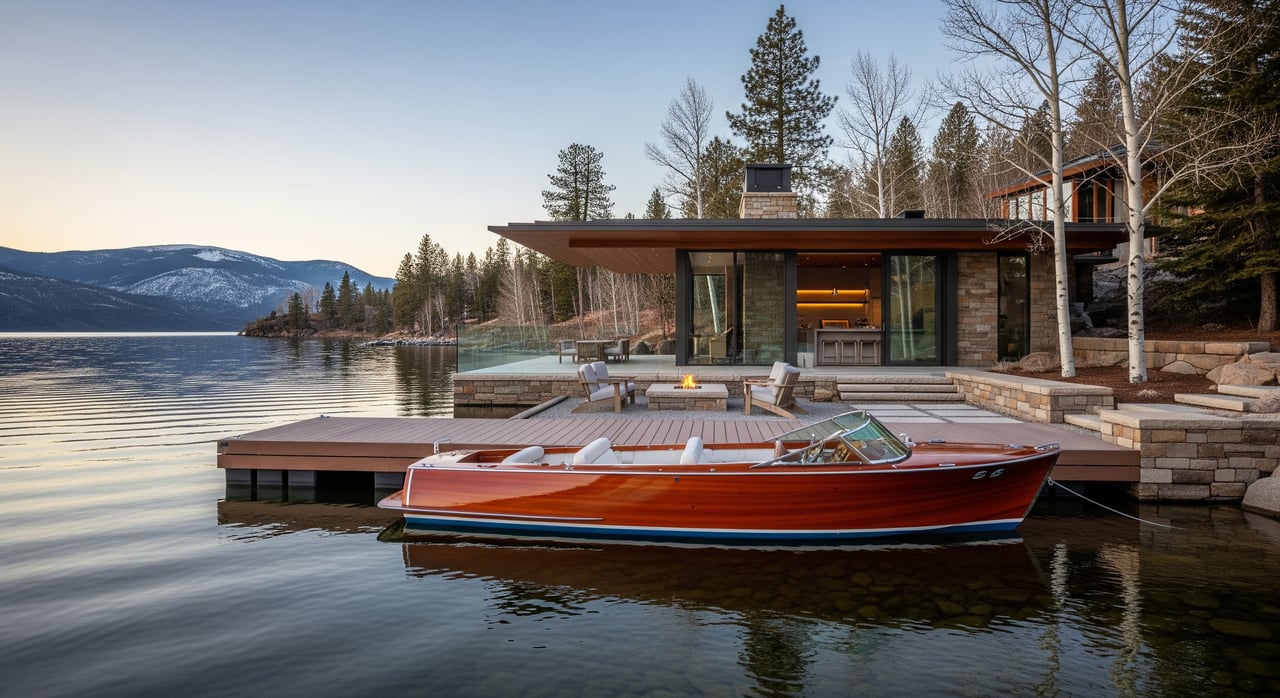
Is lake life calling your name? If you picture early mornings on a quiet shoreline, easy access to trails, and a low-key community feel, the Vallecito Lake area can be a great fit. You want the beauty and the fun without surprises about access, utilities, or seasonal rhythms. In this guide, you’ll learn what daily life looks like at the lake, how services work, what to expect across seasons, and practical steps to buy with confidence. Let’s dive in.
Vallecito Lake at a glance
Vallecito Lake sits in La Plata County in southwestern Colorado, surrounded by National Forest land and mountain scenery. It draws boaters, anglers, hikers, and day visitors who value a quieter pace near Durango. As a homeowner, you enjoy quick access to the water and trailheads along with privacy and wildlife viewing. Many buyers here are second-home owners and retirees who want recreation close by with city services within reach.
Lake amenities and recreation
Marinas and boating
Local marinas typically offer boat rentals, slips, fuel, launch ramps, and basic supplies during their main season. Operations often scale back in winter, so confirm opening dates, hours, and services before you plan. If you own a boat or plan to buy one, ask about slip availability, winterizing requirements, and off-season storage. You can enjoy motorboating, sailing, and paddlecraft where permitted, with rules set by local authorities.
Paddlecraft and quiet coves
Kayaks and stand-up paddleboards are popular on calmer days. Early mornings and shoulder seasons can be especially peaceful. Always review current rules for watercraft, and check weather forecasts before heading out. Afternoon winds and quick weather changes are common in high country.
Fishing and wildlife
Fishing is a central draw, with many regional reservoirs managed for cold-water species. Stocking can vary by season. You will often see waterfowl, birds of prey, and big game across nearby forested areas. Keep an eye out for seasonal closures that protect wildlife and nesting sites.
Trails, camping, and public lands
Hiking and biking access
Being adjacent to National Forest lands means you have a range of trails near the reservoir. Expect everything from easy lakeside strolls to moderate routes climbing into the hills. Some trails allow bikes where permitted. Always confirm trail conditions, difficulty, and seasonal access before you go, especially after storms or heavy snow.
Campgrounds and day use
You will find both developed campgrounds and primitive sites in the surrounding forest. Many areas are first-come, first-served or seasonal, and some require reservations. Day-use areas offer picnic spots and shoreline access. Check current regulations for campfires and motorized use, particularly during dry conditions.
Dining, services, and getting to Durango
The lakeside area offers casual, rural dining options that can be seasonal. For a wider range of restaurants, grocery stores, pharmacies, entertainment, and medical services, you will head into Durango. Travel time depends on weather, season, and road conditions. In winter, plan ahead for snow, ice, and slower speeds, and confirm maintenance and plowing patterns for your specific route.
Seasons and lifestyle rhythm
Summer peak
Summer is the main season. Marinas and campgrounds are busiest, and more businesses keep daily hours. Expect lively weekends, lots of boats on the water, and prime hiking and fishing. It is also the best time to shop for lake gear and line up service providers.
Spring and fall shoulder seasons
Spring and fall bring fewer crowds and great days for fishing and hiking. Conditions can change quickly, especially at elevation. Some services reduce hours or close midweek. Plan flexible schedules and pack for variable temperatures.
Winter considerations
Winter is quieter around the lake. Marinas often close or offer limited services. If you enjoy snowshoeing or cross-country skiing, you can explore regional options even if lake boating is not typical. For homeowners, winter readiness matters. Think heating efficiency, freeze protection, and reliable snow removal.
Home types and neighborhoods
What you will find
Housing near the lake includes single-family cabins, timber-frame and modern mountain homes, ranch-style layouts, and buildable lots. Some pockets feel like vacation-home enclaves while others support year-round living. Construction usually suits mountain conditions with materials chosen for weather and insulation needs. If you are exploring land, verify buildability, setbacks, and any National Forest adjacency considerations.
Year-round vs seasonal living
Many residents live here full time, but a strong number use properties seasonally. If year-round living is your goal, confirm winter access, heating systems, and driveway grade. For part-time use, plan for winterizing and local caretaking support. The rhythm you choose will shape your budget and maintenance plan.
Market timing and demand
Lake properties often move in late spring and summer when inventory is more visible and buyers are in town. Seasonal demand can affect competition and pricing. Carrying costs vary by property and include taxes, insurance, utilities, and any HOA dues. If you are comparing options, request recent neighborhood sales and days-on-market trends to set expectations.
Ownership logistics to plan for
Water, septic, and power
Many rural homes use private wells or community water systems. Ask for well depth, yield, and recent water quality tests. Septic systems are common, so review permits, capacity, and maintenance history. Electricity is typically available through regional providers, but confirm service lines, panel size, and any backup power solutions you want.
Internet and connectivity
Internet service varies by location. Some owners rely on cellular hotspots or satellite plans. Fixed broadband may be limited in parts of the lake area. If you work remotely, test service at the property and evaluate antenna or booster options.
Snow removal and access
Know who plows your road and what is your responsibility. HOA-managed communities may include snow removal for shared roads while private driveways are usually on the owner. Budget for winter traction, regular plowing, and sanding where needed. Keep a plan for package delivery and emergency access on heavy snow days.
Insurance and inspections
Wildfire risk is a regional reality in the mountains. Insurers may require defensible space and could set different premiums based on vegetation and distance to services. If a home sits on lower ground or near drainage, discuss flood considerations with your insurer. During due diligence, prioritize septic evaluations, well testing, roof and insulation checks, driveway access, and any shoreline or dock-related permits.
Rules, permits, and rentals
County zoning and building permits
La Plata County has specific land-use rules and building requirements. Confirm permit history for any additions or outbuildings. If you plan to build or remodel, review timelines and required inspections early. Properties near National Forest boundaries may have additional considerations.
HOAs and dock rules
Many lake-area communities operate under HOA covenants. Common topics include exterior design standards, maintenance, parking, and dock rules. Review CC&Rs, financials, and recent meeting minutes to understand budgets and policies. If a dock is important, confirm permissions, waiting lists, and annual fees.
Short-term rentals
Short-term rental rules are set by local jurisdictions and, in many cases, your HOA. Some areas require permits, caps, or specific taxes. Septic capacity may limit occupancy and rental eligibility. Verify the current regulations before you rely on rental income in your ownership plan.
Smart buying game plan
Use this checklist to move forward with clarity:
- Define your lifestyle goals: full-time, seasonal, or investment.
- Visit in more than one season to understand traffic, noise, and services.
- Map your commute to essential services and healthcare in different weather.
- Price out carrying costs: taxes, insurance, HOA dues, utilities, snow removal, and caretaking.
- Confirm water source, septic capacity, and recent service records.
- Evaluate internet options and cell coverage at the property.
- Speak with local marinas about slip availability, storage, and winterizing.
- Review HOA documents, county zoning, and any short-term rental requirements.
- Plan inspections focused on mountain systems, including well, septic, roof, insulation, and access.
- Set a realistic timeline for closing that accounts for inspections and permit checks.
Why work with a local guide
Lake living is rewarding, but the details matter. From septic permits to winter access and seasonal services, you want a calm, experienced hand to help you compare homes and avoid surprises. With decades in La Plata County and a consultative, high-touch approach, Judi offers the local insight and steady guidance you need to move confidently. If you are considering Vallecito Lake for a second home, retirement base, or year-round lifestyle, reach out to Judi Mora to talk through your goals, get tailored options, and map your next steps.
FAQs
How close is Vallecito Lake to Durango for daily needs?
- Vallecito Lake is within the broader Durango service area, and actual drive time depends on route, weather, and seasonal road conditions.
Are marinas and restaurants around the lake open year-round?
- Many lake services are seasonal, with full operations in summer and reduced or closed hours in winter, so always confirm current schedules.
Can I keep my boat at my Vallecito property?
- Docking and slip access depend on marina capacity, HOA rules, and any permitting, so check availability, waitlists, and restrictions early.
Are there full-time homes or mainly vacation properties near the lake?
- You will find both year-round homes and vacation properties, so verify utilities, winter access, and neighborhood norms for your needs.
What are the main risks or costs to plan for as an owner?
- Key considerations include wildfire risk, winter access and snow removal, insurance, and maintenance of wells and septic systems.
Can I operate a short-term rental at Vallecito Lake?
- Short-term rental legality depends on county rules and HOA covenants, and some areas require permits, caps, or taxes, so verify before you buy.