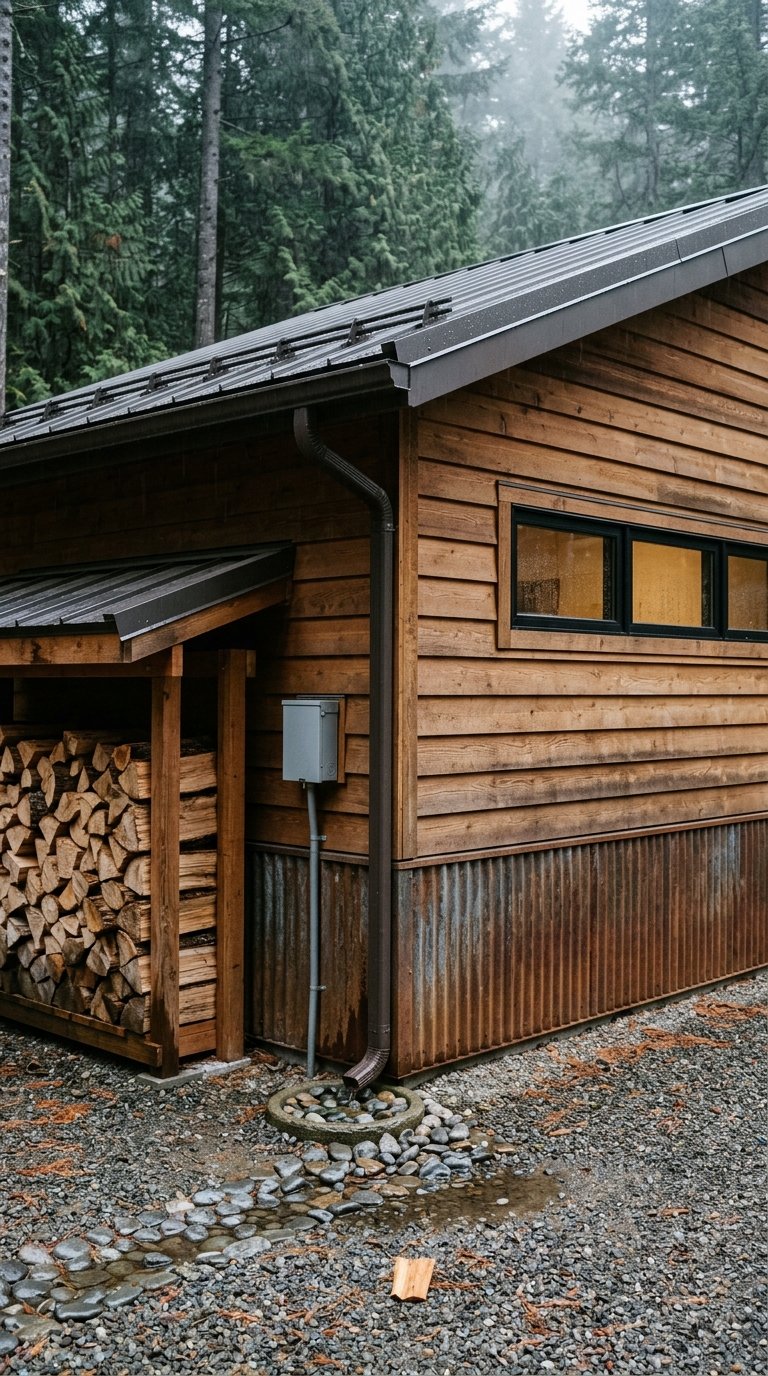
Owning a cabin at Vallecito Lake can feel like the best of Colorado living, until you realize mountain property care is a little different from caring for a home in town. Between wildfire risk, winter weather, drainage issues, and private systems like wells or septic, even a beautiful getaway needs steady attention. The good news is that a simple, seasonal plan can help you protect your cabin, avoid costly surprises, and enjoy the property more. Let’s dive in.
Why Vallecito cabin upkeep is different
A cabin near Vallecito Lake comes with extra moving parts because the setting itself affects how the property performs. La Plata County describes wildfire preparedness in southwest Colorado as a year-round job, and local hazard planning also points to concerns like debris flows, landslides, expansive soils, and transportation disruptions after heavy rain or fast snowmelt.
That means maintenance is not just about the roof, siding, or windows. You also need to watch drainage, driveway access, vegetation, and any small signs of movement around the home. Catching changes early can help you avoid bigger repairs later.
Winter access adds another layer. La Plata County says major roads are prioritized first during snow events, while lower-volume roads may wait until those routes are clear, and property owners are responsible for their own driveways and parking areas.
Build a seasonal maintenance routine
A cabin usually does best when you think in seasons instead of one big annual project. Vallecito owners often benefit from a spring opening, summer risk-reduction plan, fall shutdown, and winter vacancy checklist.
Spring cabin opening tasks
Spring is the time to walk the property slowly and look for anything winter changed. Check roof edges, flashing, gutters, decks, vents, and exposed exterior areas for debris or damage.
It is also smart to check your water systems early in the season. EPA WaterSense recommends checking for leaks, comparing water use to the prior year, and inspecting water heaters, including annual flushing and service if possible.
If your cabin has irrigation, spring is also the time to inspect lines and equipment for freeze damage. If you rely on a private well, annual testing is important because private wells are the owner’s responsibility.
A practical spring checklist includes:
- Inspect the roof, gutters, flashing, and vents
- Remove leaves and needles from gutters, roof valleys, and under decks
- Check decks, stairs, and railings for wear or movement
- Look for plumbing leaks and signs of moisture inside
- Test well water if the property uses a private well
- Inspect irrigation lines and equipment
- Walk the driveway and road edges for washouts or erosion
Summer maintenance priorities
Summer is when routine care matters most because the property is often in active use. It is also the best time to keep the site from drifting back into a higher-risk condition.
The Colorado State Forest Service says defensible space needs annual maintenance, not a one-time cleanup. For many cabin owners, that means keeping grass short near the house, trimming ladder fuels, and staying ahead of needle and leaf buildup around the structure.
Summer is also the right time to keep an eye on drainage and slope conditions. La Plata County hazard planning notes that intense rainfall or rapid snowmelt can contribute to debris flows, sheetflow flooding, road damage, and settling.
Watch for signs like:
- Eroded road edges
- Blocked culverts or swales
- New cracks in walls, slabs, or paved areas
- Water pooling near the foundation
- Soil movement on sloped parts of the property
Fall shutdown and winter prep
Fall is the main closing season for many second homes around Vallecito. If your cabin will be vacant during colder months, this is when you want to prepare plumbing, heating, and exterior systems for freezing weather.
EPA recommends winterizing irrigation by shutting off the water supply and draining lines before freezing conditions arrive. The U.S. Department of Energy also recommends sealing air leaks around windows, doors, chimneys, plumbing penetrations, and other openings that let cold air in.
Frozen pipes can burst, so exposed plumbing and water lines deserve special attention. This is also a good time to service HVAC equipment, change filters, and clean flue vents or wood- and pellet-burning appliances as needed.
A strong fall checklist often includes:
- Shut off and drain irrigation lines
- Inspect and insulate exposed plumbing where needed
- Check the water heater and connecting pipes
- Seal air leaks around doors, windows, and penetrations
- Service heating systems and replace filters
- Clean flues and solid-fuel appliance vents
- Confirm leak-monitoring devices are active before leaving
Winter vacancy planning
If the cabin sits empty for part of the winter, your main goals are preventing freeze damage and making sure the property can still be reached if needed. Since county snow removal focuses on major roads first, it helps to plan ahead instead of assuming immediate access after every storm.
Remote monitoring can make a big difference for second-home owners. Leak alerts, temperature monitoring, and a reliable local contact can help you respond faster if there is a problem.
Focus on the systems that matter most
Some cabin features need more attention than they would in a typical in-town home. At Vallecito Lake, water, wastewater, vegetation, and access can have a big impact on both safety and long-term costs.
Water, well, and septic care
If your cabin uses a private well, you are responsible for its care and testing. Guidance in the research report recommends annual well testing for bacteria, nitrates, total dissolved solids, and pH.
Septic systems also need regular planning and recordkeeping. EPA notes that routine septic maintenance every three to five years is far less expensive than replacing a failed system, and owners are responsible for operation, maintenance, and repairs.
It also helps to think about these systems as connected. Roof runoff, gutters, grading, and drainage patterns can affect the drainfield and the area around your cabin, so directing water away from the home and drainfield matters.
La Plata County Public Health also handles local OWTS permits and offers water-testing services, which is a good reminder that well and septic work should be handled through the proper local channels.
Wildfire hardening and defensible space
Wildfire preparation is one of the most important parts of owning a cabin in this area. La Plata County says home hardening and home ignition zones are best practice, and the Colorado State Forest Service says the strongest approach combines fire-resistant construction with defensible space.
The key word here is consistency. Defensible space is not a project you do once and forget.
Ongoing wildfire-related upkeep may include:
- Removing leaves and needles from gutters and roof valleys
- Clearing debris from under decks
- Pruning dead or overgrown vegetation
- Keeping grasses short near the home
- Thinning crowded vegetation where appropriate
- Reducing combustible materials close to the structure
If you want site-specific guidance, the Colorado State Forest Service offers homesite assessments that can help identify defensible-space and forest-health improvements.
Driveway and access upkeep
Access is easy to overlook until there is a storm, emergency, or repair call. A steep or weather-affected driveway can become part of the maintenance conversation very quickly.
La Plata County notes that driveway permits may apply in unincorporated areas when access roads or driveways are altered or rebuilt. The county also says these standards are intended to support safe ingress and egress for emergency responders, so it is worth checking local requirements before starting access work.
Even if you are not rebuilding anything, seasonal observation matters. Pay attention to snow storage, rutting, drainage, washouts, and whether road conditions could affect emergency access.
Create a local care team
For second-home owners, the best maintenance plan is usually a local system, not just a long checklist. When you are not nearby, it helps to have trusted people who can check on the property, spot issues early, and respond when conditions change.
Depending on the cabin, that might include a caretaker, plumber, septic professional, snow removal help, or property manager. Leak-detection devices, annual water-heater reviews, and regular check-ins can all be easier to manage when someone local is part of the process.
It is also smart to keep a post-event plan. If wildfire, power loss, or another disruption affects the property, CDC guidance in the research report notes that private wells can become contaminated after a wildfire, and damaged well components may require a licensed well contractor, electrician, or coordination with the power company.
If you rent your cabin short term
If your Vallecito cabin is also a short-term rental, maintenance and compliance need to work together. A higher guest turnover can mean more wear on plumbing, heating, decks, parking areas, and water systems.
Colorado’s Department of Revenue says anyone offering rooms or accommodations for rent must obtain a sales tax license and collect sales tax on taxable rentals, and county lodging taxes may also apply. If you use a booking platform, it is important to confirm what the platform collects and remits versus what you still need to handle separately.
It also helps to have a simple turnover and inspection routine between stays. That can make small repairs easier to catch before they affect guests or become more expensive.
Don’t forget waste and cleanup planning
Cabin ownership also creates practical cleanup needs over time. Seasonal debris, old paint, batteries, antifreeze, and other hard-to-handle materials should be disposed of properly.
La Plata County offers local disposal options, including transfer stations, private trash haulers, and a county/city household hazardous-waste collection program for certain materials. Having a plan for cleanup makes regular upkeep easier and helps keep the property safer and more organized.
Owning a cabin at Vallecito Lake can be deeply rewarding, but it works best when you treat maintenance as part of the lifestyle, not just a reaction to problems. If you are thinking about buying, selling, or evaluating a cabin property in the Vallecito area, Judi Mora can help you understand what to look for and how mountain property ownership fits your goals.
FAQs
What makes Vallecito Lake cabin maintenance different from a typical home?
- Vallecito cabins often require more hands-on care because La Plata County conditions can involve wildfire risk, winter access delays, drainage issues, slope hazards, private wells, and septic systems.
How often should a private well at a Vallecito cabin be tested?
- The research report recommends testing a private well at least once a year for bacteria, nitrates, total dissolved solids, and pH.
What septic maintenance should Vallecito cabin owners plan for?
- Septic owners should keep maintenance records, direct runoff away from the drainfield, use licensed contractors for onsite wastewater work, and plan routine maintenance every three to five years.
What wildfire upkeep should a Vallecito cabin owner do each year?
- Annual wildfire upkeep should include maintaining defensible space, keeping grass short near the home, removing leaves and needles from gutters and roof valleys, clearing debris from under decks, and pruning dead or overcrowded vegetation.
What should Vallecito cabin owners know about winter road access?
- La Plata County prioritizes major roads first during snow events, lower-volume roads may wait longer, and homeowners are responsible for their own driveways and parking areas.
What should owners do if a Vallecito cabin is used as a short-term rental?
- Owners should create a stronger inspection and maintenance routine, and they should confirm state sales tax licensing, tax collection obligations, and whether any booking platform is handling all required remittance.